 10°C / 50°F
Clear
|
Current time: 02:35
|
06:53
17:46
10°C / 50°F
Clear
|
Current time: 02:35
|
06:53
17:46
Berlin is the capital and largest city of Germany, with a population of 3,782,202 inhabitants. Located in northeastern Germany, it has long been a major political, cultural, and economic center of Europe. First documented in the 13th century, Berlin became the capital of Prussia and later of the German Empire in 1871. The city played a central role in 20th-century history, particularly during and after the Second World War.
From 1949 to 1990, Berlin was divided into East and West Berlin, separated by the Berlin Wall, which became a global symbol of the Cold War. The fall of the Wall in 1989 marked a turning point in European history and led to German reunification. Since then, Berlin has undergone extensive redevelopment and has re-established itself as a dynamic global city.
Notable landmarks include the Brandenburg Gate, the Reichstag building, Museum Island (a UNESCO World Heritage Site), and the remains of the Berlin Wall. Berlin is also the birthplace of internationally known figures such as actress Marlene Dietrich, actor August Diehl, and musician Sido.
Berlin in Germany
13.4° E
Berlin Population Evolution
Population Summary
| Year | Population | Change |
|---|---|---|
| 1250 | 1,200 | |
| 1685 | 17,000 | +1,316.7% |
| 1920 | 3,879,409 | +22,720.1% |
| 2011 | 3,326,002 | -14.3% |
| 2023 | 3,782,202 | +13.7% |
Interactive Map of Berlin
What to see in Berlin
Brandenburg Gate
city gatetriumphal arch in Berlin, Germany
Reichstag
tourist attractionseat of the German Bundestag and, before 1945, the eponymous parliament of the Weimar Republic
Berlin Olympic Stadium
Olympic stadiumsports stadium at Olympiapark Berlin in Berlin, Germany
Pergamon Museum
museummuseum building in Berlin, part of the Museumsinsel, presents the Vorderasiatisches Museum, the Museum für Islamische Kunst and parts of the Antikensammlung
Fernsehturm Berlin
tourist attractiontelevision tower in Berlin
Museum Island
tourist attractionnorthern part of Spree Island in the Spree river in central Berlin
Famous People Born in Berlin
Frederick II of Prussia
King of Prussia from 1740 to 1786
Alexander von Humboldt
Prussian geographer, naturalist and explorer
Paul Heyse
German writer
Adolf von Baeyer
German chemist
Wilhelm II
as last King of Prussia German Emperor from 1888 to 1918
Alfred Wegener
German climatologist and geophysicist
Nelly Sachs
Jewish German poet and playwright
Marlene Dietrich
German and American actress and singer
Leni Riefenstahl
German filmmaker
August Diehl
actorGerman actor
Sister Cities of Berlin
Sister cities, also known as twin cities, are formal partnerships between cities in different countries to promote cultural and commercial ties.
This list is based on publicly available structured data and may differ slightly from official municipal publications.
| City | Country | Population |
|---|---|---|
| Beijing | 🇨🇳 People's Republic of China | 21,893,095 |
| Istanbul | 🇹🇷 Turkey | 15,655,924 |
| Tokyo | 🇯🇵 Japan | 14,264,798 |
| Jakarta | 🇮🇩 Indonesia | 11,135,191 |
| Mexico City | 🇲🇽 Mexico | 9,209,944 |
| London | 🇬🇧 United Kingdom | 8,799,728 |
| Los Angeles | 🇺🇸 United States | 3,898,747 |
| Madrid | 🇪🇸 Spain | 3,506,730 |
| Buenos Aires | 🇦🇷 Argentina | 3,121,707 |
| Tashkent | 🇺🇿 Uzbekistan | 2,956,384 |
| Kyiv | 🇺🇦 Ukraine | 2,952,301 |
| Warsaw | 🇵🇱 Poland | 1,862,402 |
| Budapest | 🇭🇺 Hungary | 1,685,209 |
| Prague | 🇨🇿 Czech Republic | 1,397,880 |
| Tel Aviv | 🇮🇱 Israel | 467,875 |
| Windhoek | 🇳🇦 Namibia | 431,000 |
| City of Brussels | 🇧🇪 Belgium | 195,546 |
Books about Berlin
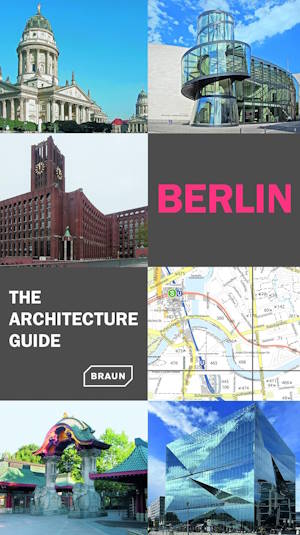
Berlin. The Architecture Guide
An authoritative architectural tour of Berlin, profiling over 500 buildings and explaining architectural eras from medieval to contemporary.
View Book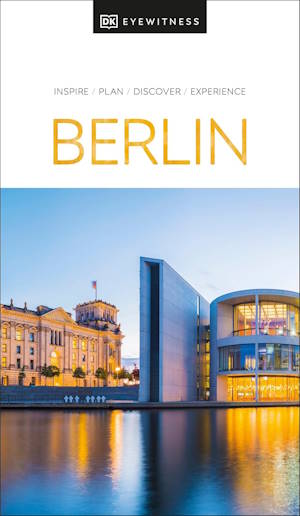
DK Berlin (Travel Guide)
A fully illustrated and up-to-date travel guide that helps visitors explore Berlin’s top sights, neighborhoods, museums, and cultural experiences.
View Book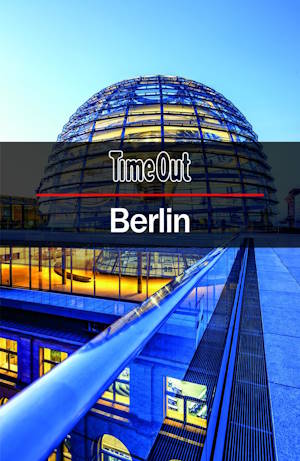
Time Out Berlin City Guide
A travel guide focused on culture, food, nightlife, and local experiences, offering curated recommendations from local writers and experts.
View BookLearn more about Berlin
Frequently Asked Questions about Berlin
What was the Berlin conference?
Is the Berlin wall still up?
What Is the Population of Berlin in 2026?
The population of Berlin in 2026 is estimated to 3,863,060 inhabitants. This estimate is taken from our extrapolation of available data and not an official estimate.